Where Craft & Community Come Together
THE SKILLBUILDERS
CIRCLE
Join us in this exclusive online space, where the craft of
FAMILY HISTORY writing excels alongside a nurturing
community of passionate and supportive writers.
What's Inside the Skillbuilders Circle?
A combination of craft and community come together
to serve your storytelling needs.
1
SKILLBUILDERS
These live monthly webinars are designed to go deep into a specific writing technique, tool or concept, helping you to elevate your family history narratives to new levels.
Includes:
- Monthly Live Webinar with Q & A
- Access to Skillbuilders Library of Historical Recordings
- Resource Kit
2
OFFICE HOURS
Our virtual Office Hours is an opportunity to meet with Lynn and ask your personal writing questions. One hour, twice a month, Lynn opens her office door to answer your storytelling questions.
Includes:
- Access to Office Hours (twice a month)
- Mondays 3-4pm ET
- Access to Office Hours Recordings
3
WRITER'S ROOM
The Writer's Room is an online forum, where you step into a vibrant community of like-minded writers. In this space you have the opportunity to brainstorm, inspire or share with your fellow family history writers at any time of day on any number of topics.
Includes:
- Access to The Writer's Forum through the Mighty Network
- Ask your questions, share ideas and brainstorm with other family history writers 24/7.
SKILLBUILDERS
Live One Hour In-Depth Training Each Month
Checkout Our Upcoming Topics
Mastering
Time
Jan 29th 2-3pm ET
Time is one of the most powerful tools in family history writing and one of the most complex. In this workshop, you’ll learn how to move across years, decades, and generations with clarity and emotional intention. We'll learn ways to use compression, expansion, flashbacks, and glimpses into the future to control the reader's sense of time and keep them engaged. Perfect for anyone working with multi-plotline or multi-era narratives.
AI Scene Drafting: Sparsely but Powerfully
Feb 19th – 2-3pm ET
AI can be a brilliant structural assistant if you know how to direct it. Learn how to use AI to build simple scene structures that highlight action, drama, and intent, without losing your personal artistic touch. You'll discover what tasks to delegate, what to keep in-house, and how AI can help you write faster while still being genuine and creative.
Sculpting Scene Transitions
Mar 19th 2-3pm ET
Transitions are the invisible architecture of a powerful narrative. In this workshop, you’ll learn how to move seamlessly between scenes, emotional beats, time periods, and points of view. We will examine how to make smooth transitions using visuals, feelings, actions, rhythm, and differences, and also how to avoid stories that feel disjointed, particularly in stories that span generations or are based on research. Your writing will immediately feel more fluid, intentional, and immersive.
Writing Interior Weather
April 23rd 2-3pm ET
Interior weather is the emotional atmosphere inside your protagonist — and it can be expressed through sensory detail, metaphor, rhythm, and tone. This session will teach you how to show feelings without saying too much, using delicate and skillful methods. We'll explore how to use mood, images, and inner feelings to make a scene more emotional and show what characters are thinking and feeling inside.
Creating Cinematic Moments Without Visual Overload
May 21st 2-3 pm ET
Family history writers often try to “show the scene” by adding layers of description — but cinematic moments require clarity, not clutter. This workshop teaches you how to build vivid, emotionally anchored scenes using movement, contrast, sensory focus, and story beats rather than heavy visual detail. Learn how to create moments that feel alive, immersive, and dramatic while keeping the reader oriented and emotionally connected.
Writing Emotional Complexity in Real Ancestors
June 18th 2-3pm ET
Your ancestors were complex people, influenced by culture, beliefs, experiences, desires, and life events. This session helps you portray them with nuance and depth neither idealizing nor judging them. You'll discover how to expose conflicts, feelings, weaknesses, and habits in a way that's honest and considerate. A transformative workshop for bringing ancestors to life on the page.
Writing the Weight of History
July 23rd 2-3pm ET
Every ancestor lived inside a web of cultural, political, social, and economic forces that shaped their choices. In this workshop, you’ll learn how to embed historical pressure into your scenes without info-dumping or overwhelming the reader. Discover techniques for showing history through character, setting, tension, and worldview, transforming your narrative into a richly textured, deeply contextualized story
Writing Faith, Ritual & Superstition in Historical Context
OCT 1st 2-3 PM ET
Faith, folklore, ritual, and superstition once guided daily decisions and emotional landscapes far more than they do today. This session explores how to write these belief systems authentically and respectfully, integrating them into character motivations, community dynamics, and story tension. You'll discover how to include rituals, traditions, and beliefs in your story without making them seem over the top or too obvious.
How to Use AI Without Flattening Your Voice
Aug 20th 2-3 PM ET
AI can help you write faster — but if used incorrectly, it can dilute voice, disrupt rhythm, or flatten emotional nuance. This session teaches you how to preserve your unique cadence, diction, and sensibility while leveraging AI intelligently. You’ll learn a voice-protection workflow, as well as how to shape prompts so AI supports your creativity rather than replacing it. Perfect for writers who want efficiency and authenticity
Framing Devices for Family History Narratives
NOV 19th 2-3PM ET
A powerful framing device can transform a complex family history into a cohesive, emotionally resonant story. The workshop covers different storytelling methods: using narrators, found documents, stories from different time periods, objects, and a thoughtful tone. Understand how frames work, how to select the right one, and how they help develop themes, structure stories, and connect with readers emotionally.
Writing Work: Occupations, Labour & Daily Life
SEP 24th 2-3 PM ET
For your ancestors, work was key to who they were, their social status, connections, and even staying alive, but it's usually not talked about in family stories. This workshop explores labor through vivid and accurate depictions. Learn how to use work to reveal character, tension, and theme.
Writing the Researcher as a Character
DEC 10th 2-3PM ET
Modern family history narratives often blend personal memoir with ancestral storytelling. This session shows you how to write your researcher-self into the narrative in a way that adds emotional weight, clarity, and meaning. You’ll learn how to balance past and present, use the researcher’s journey as a structural anchor, and integrate reflection, discovery, and personal transformation.
One Year of Learning for One Low Price
Subscription
$27/per month
Renews monthly, cancel at anytime
Monthly Live Webinar with Q & A
Resource Kit for Each Webinar
Access to the Skillbuilder's Library of Recordings
Includes Office Hours (2x per month)
The Writer's Room Online Forum
Subscription
$297/for 12 months of learning
Renews yearly, cancel at anytime
- Monthly Live Webinar with Q & A
- Resource Kit for Each Webinar
- Access to the Skillbuilder's Library of Recordings
- Includes Office Hours (2x per month)
- The Writer's Room Online Forum
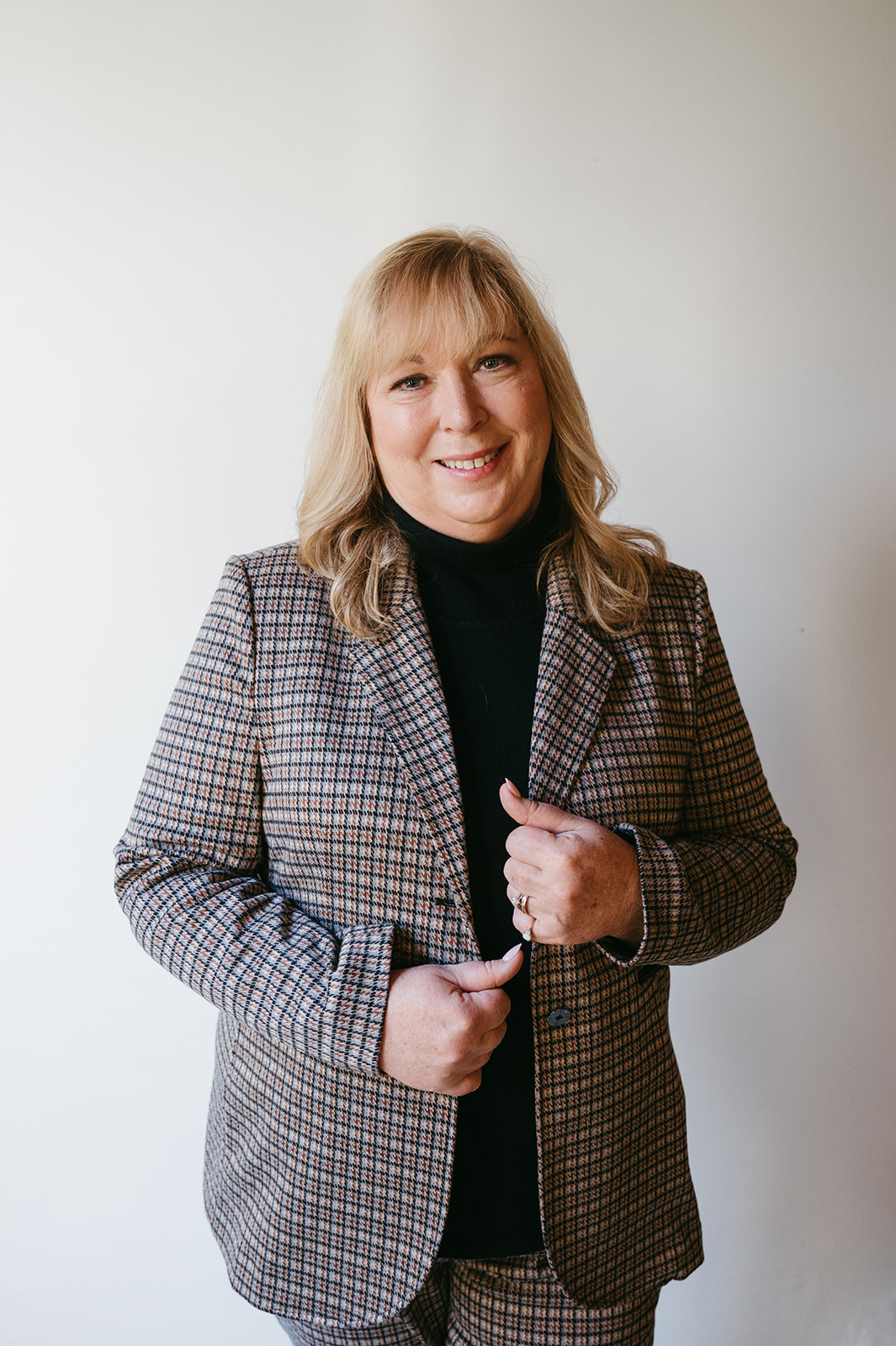
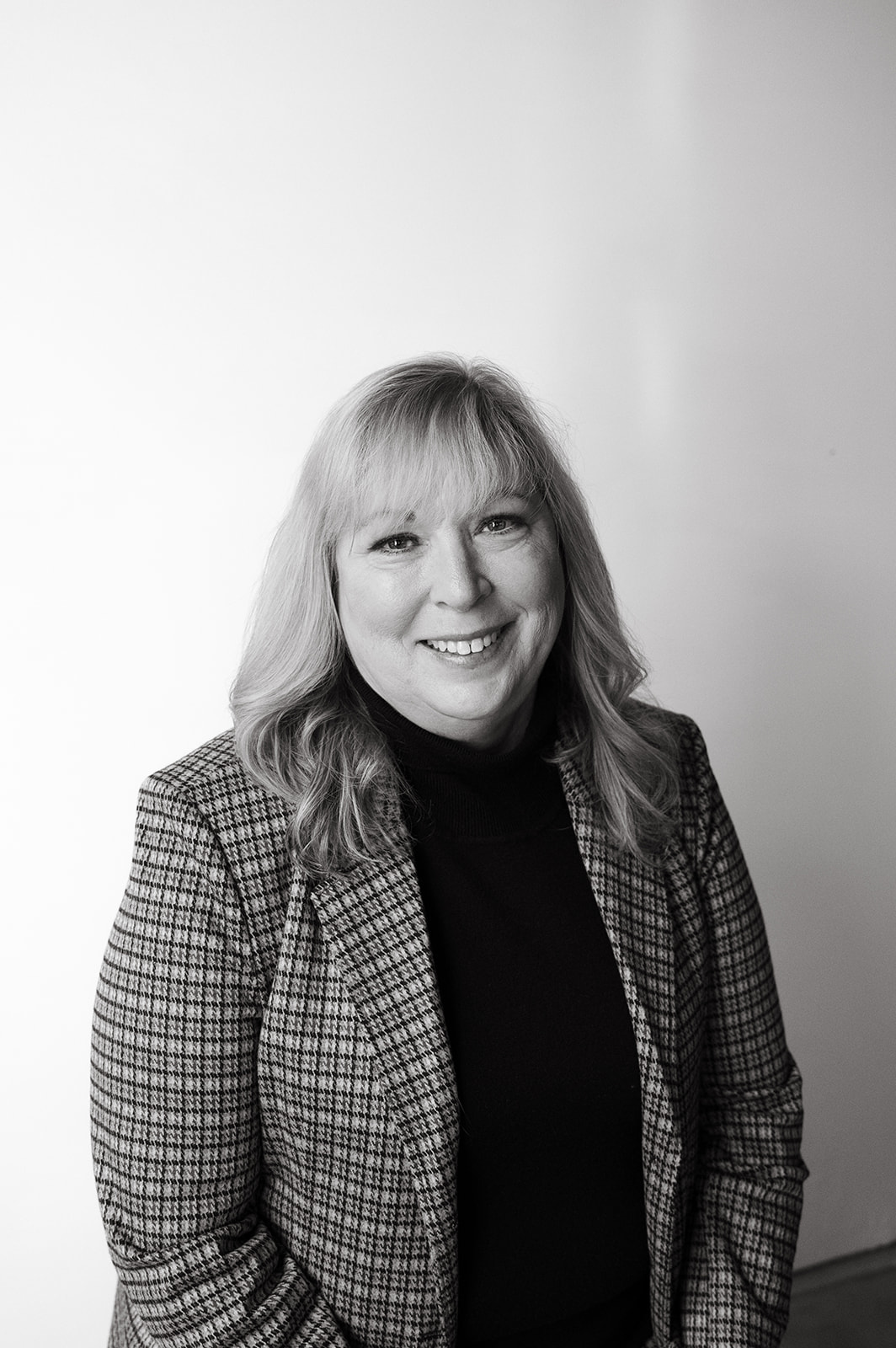
Hi I'm Lynn Palermo
I'm a writer. I'm also a writing and accountability coach to thousands of family historians who have a passion for shaping their research into entertaining family history stories. I am the CEO of The Family History Writing Studio and I want to welcome you to the world of family history stories. I'm thrilled you've stopped by.
I've been writing my own stories for the past 20 years, and for the better part of 15 years, I've been helping others in their writing journey through online courses, workbooks and retreats. I hope I can assist you. If you have any questions about my services or where you should start your journey, drop me a line at lynn@familyhistorywritingstudio.com. I'm always here to discuss your options.

Copyright © 2024 The Family History Writing Studio, Ontario, Canada